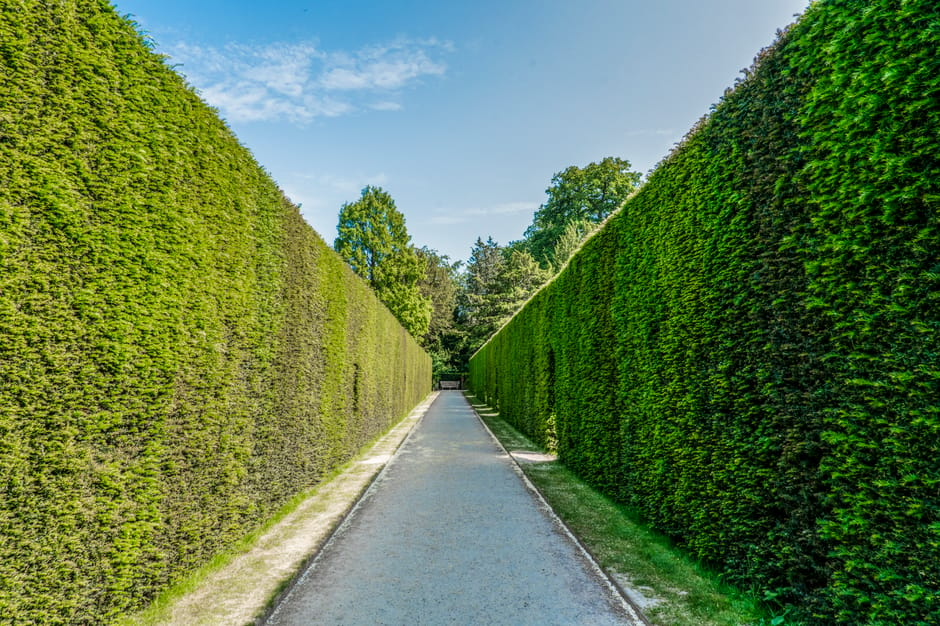
Cranbrook Road gardeners trusted for hedges in IG1
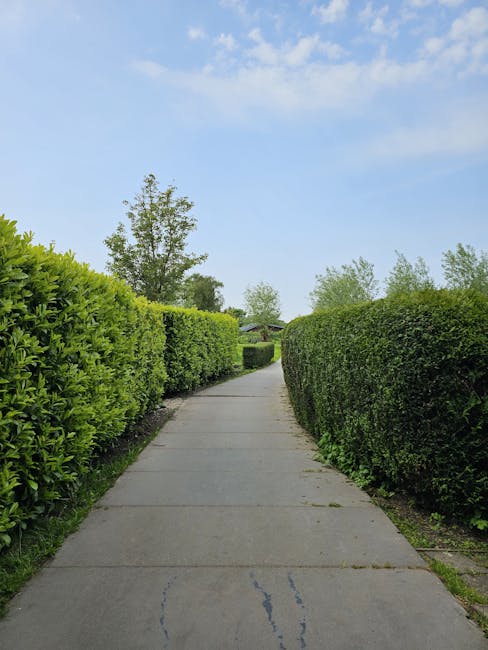
If your hedge is getting shaggy, blocking light, or just making the front of the house look tired, you are not alone. Plenty of homes and small businesses around Cranbrook Road and the wider IG1 area reach the same point: the hedge has gone from neat boundary to full-on jungle. That is where Cranbrook Road gardeners trusted for hedges in IG1 become genuinely useful. Not just for a quick trim, but for shaping, season-aware maintenance, tidy finishes, and the kind of care that keeps hedges healthy rather than hacked back.
This guide breaks down what reliable hedge work should look like, how the process usually works, what to ask before booking, and how to avoid the sort of mistakes that can cost you time, money, and a lot of bother later. If you want your garden to look sharp without losing the natural structure of the hedge, you are in the right place.
- Why it matters
- How it works
- Key benefits
- Who needs this
- Step-by-step guidance
- Expert tips
- Common mistakes
- Tools and resources
- Law, compliance and best practice
- Options and comparison
- Real-world example
- Practical checklist
- Conclusion
- Frequently asked questions
Why Cranbrook Road gardeners trusted for hedges in IG1 Matters
Hedges do a lot of quiet work. They mark boundaries, soften walls and fences, create privacy, block wind, and make a property feel finished. But they only do that well when they are kept in balance. Let them drift too far and they can become messy, top-heavy, or thin at the base. Cut them badly and they can stay stressed for months. Sometimes longer. Truth be told, a hedge is one of those things that looks simple until you need it done properly.
In IG1, gardens often face a mix of conditions that make hedge care more than a cosmetic job. Narrow plots, shared boundaries, busy pavements, and the usual London squeeze mean access and tidiness matter. A good gardener understands that you are not only paying for cutting; you are paying for judgement, timing, clean-up, and respect for the space around the hedge.
That is why trust matters so much. A trusted local team is expected to turn up when promised, work carefully around fences and plants, and leave the area neat rather than strewn with clippings. If hedges are close to paths, driveways, or neighbouring gardens, that care becomes even more important. No one wants to be the person apologising over chopped leaves in the wrong flower bed.
For many homeowners, hedge work is also tied to the look of the entire property. A tidy hedge can make an entrance feel brighter, safer, and more looked after. A neglected one does the opposite. Not dramatic, perhaps, but noticeable. And in a street like Cranbrook Road, where first impressions matter, that really counts.
How Cranbrook Road gardeners trusted for hedges in IG1 Works
Good hedge care usually starts with an assessment, not a hedge cutter. The shape, height, species, growth rate, and current condition all influence what should happen next. Some hedges need a light trim to maintain a crisp outline. Others need selective reduction, renewal work, or a more careful seasonal approach.
Here is the sort of process you should expect from a professional service:
- Initial look-over: The gardener checks the hedge species, density, size, access, and nearby features such as walls, cables, gates, or fragile planting.
- Discussing the outcome you want: Formal shape, softer natural line, lower height, wider base, privacy screen, or simple tidy-up.
- Choosing the method: Hand pruning, powered hedge trimming, sectional reduction, or a combination where needed.
- Protecting the area: Covering paths where sensible, working carefully near surfaces, and planning for clipping removal.
- Cutting and shaping: Working from the correct angles so the hedge is even, stable, and not left with bald patches.
- Clearing up: Removing clippings, sweeping paths, and checking for missed sections or rough edges.
- Aftercare advice: Advising when the hedge should be trimmed again, especially if it is a fast grower.
A reliable gardener will also tell you if the hedge needs a different treatment altogether. For example, a mature, woody hedge may not respond well to a hard cut in one go. That sort of honesty is worth a lot. You do not want someone saying yes to everything just to get the booking.
If your wider garden needs attention too, it can make sense to combine hedge work with regular garden maintenance or a broader services overview so the whole space stays under control rather than in permanent catch-up mode.
Key Benefits and Practical Advantages
There are obvious benefits to hedge trimming, and then there are the quieter ones that show up a week later when the garden suddenly feels easier to live with. The obvious ones first:
- Better appearance: A neat hedge instantly improves kerb appeal.
- Improved light: Reducing overgrowth can let more daylight into the house and garden.
- Clearer boundaries: Useful where hedges double as privacy screens or property markers.
- Healthier growth: Correct cutting helps many hedges stay dense and balanced.
- Safer access: It is easier to walk, park, open gates, and maintain paths when a hedge is not spilling everywhere.
Then there are the less obvious benefits. A tidy hedge can make the rest of the garden easier to manage. Grass edges are simpler to mow. Beds feel more defined. Debris does not keep falling into the same corner. And frankly, when a hedge is under control, the entire garden tends to feel under control too.
There is also a trust benefit that should not be underestimated. Once you find gardeners who handle hedges properly, you are not starting from scratch each season. You know what level of finish to expect, how they communicate, and whether they respect your property. That kind of consistency is underrated.
Expert summary: hedge care works best when it is regular, species-aware, and paired with proper clean-up. The best results rarely come from emergency jobs. They come from steady, sensible maintenance.
Who This Is For and When It Makes Sense
This sort of service is not only for large gardens. In fact, many of the people who benefit most have relatively modest outdoor spaces. A hedge can dominate a small front garden far more quickly than you would expect.
You may need trusted hedge gardeners in IG1 if you are:
- a homeowner whose hedge has outgrown its shape
- a landlord trying to keep a rental property presentable
- a tenant responsible for garden upkeep under your agreement
- a business owner with a frontage that needs to stay tidy
- someone preparing a property for sale or viewings
- a resident who simply does not have the time, tools, or height confidence to do it safely
It also makes sense if your hedge is starting to affect neighbours, pavements, or sightlines. Let's face it, nothing ruins a friendly street relationship faster than an overgrown hedge making a path feel narrow or awkward. Keep it tidy and everyone breathes easier.
If the hedge is part of a larger garden refresh, you might also look at landscape gardening support or broader landscaping if the boundary needs reshaping alongside the rest of the plot. For heavily overgrown spaces, garden clearance can sometimes be the right starting point before hedge work makes sense.
Step-by-Step Guidance
If you are booking hedge care for the first time, here is a straightforward way to think about the process. Nothing fancy. Just the practical route.
- Walk the hedge before anyone starts. Look at its current shape, height, and any trouble spots. Are there dead sections? Is one side thin? Does it lean outward?
- Decide the main goal. Do you want reduction, a tidy finish, privacy, or a complete reset? That answer changes the job.
- Check access and obstacles. Gates, parked cars, uneven ground, nearby ornaments, and overhead obstructions can all affect the work.
- Choose a suitable time. Some hedges are better maintained with lighter, regular trims rather than occasional heavy cuts.
- Agree the finish clearly. This is important. "Tidy it up" can mean different things to different people. Say how formal you want the shape.
- Make sure waste removal is included. Clippings can be more bulky than expected. A hedge trim without tidy-up is only half a job, really.
- Inspect the result before signing off. Check the top line, both sides, the base, and the clean-up around paths and borders.
One small but useful tip: photograph the hedge before and after. Not for drama. Just so you can compare the shape next time and spot seasonal patterns. You will thank yourself later when it is mid-summer and memory has gone a bit fuzzy.
Expert Tips for Better Results
A few good habits make a very real difference to hedge quality. These are the things experienced gardeners tend to notice straight away.
- Trim for shape, not just size. A hedge that is level but too narrow at the base can thin out over time.
- Do not wait until it becomes a rescue job. Frequent, lighter trimming is usually easier on the hedge than one very hard cut.
- Think about bird nesting season. In the UK, hedge work should be approached carefully when nesting birds may be present. If in doubt, check before cutting heavily.
- Keep the base slightly wider than the top. That helps light reach the lower growth and supports a healthier look.
- Match the method to the hedge. Some hedges tolerate power tools well, others need more selective hand work. There is no single magic approach.
- Ask for the clippings to be cleared away. Small details matter. Walking out to a clean path is a very good feeling on a grey afternoon.
Also, do not be shy about asking what the gardener recommends. A good professional will usually explain whether the hedge needs maintenance trimming, formative shaping, or something more restorative. That conversation can save you from a bad cut. And a bad cut, annoyingly, can take ages to recover from.
If tree branches are affecting the hedge or shedding too much shade, it may be worth looking at tree lopping and removal as part of a wider garden plan. Hedges and trees often influence each other more than people realise.
Common Mistakes to Avoid
Most hedge problems come from rushing, guessing, or cutting too much. Simple enough, but easy to do when the hedge looks wild and you just want it sorted by lunch.
- Cutting too hard in one go: Some hedges do not forgive heavy reduction.
- Ignoring the species: Different hedge plants behave differently. Laurel, privet, beech, hawthorn, and conifer hedges are not all the same.
- Neglecting the base: If the bottom is left too narrow or shaded, the hedge can become sparse.
- Leaving dead growth behind: Dead material can make the hedge look untidy and hide trouble areas.
- Forgetting waste removal: The mess left behind can be almost as annoying as the overgrowth.
- Booking only once a year when the hedge needs regular care: Some hedges, especially fast growers, need more frequent attention.
Another mistake is assuming the cheapest option is the safest one. It might not be. A low quote can be fine, of course, but if it comes with no explanation of method, access, clean-up, or plant care, then you are not comparing like with like. Cheap can end up oddly expensive. Happens all the time.
Tools, Resources and Recommendations
You do not need to become a hedge expert overnight, but it helps to understand the basics of what a proper gardener may use. That makes the conversation a lot easier and gives you a better sense of whether the job is being handled carefully.
| Method or tool | Best used for | Why it matters |
|---|---|---|
| Hand shears / secateurs | Detailed shaping and selective cuts | Useful for a cleaner finish on smaller or sensitive hedges |
| Hedge trimmers | Routine trimming and faster coverage | Efficient for regular maintenance when used with control |
| Loppers | Thicker stems and occasional reduction work | Helps avoid forcing a cutting tool beyond its limits |
| Tarps and sheeting | Protecting paths and making clean-up easier | Reduces mess and speeds up waste collection |
| Garden waste bags or collection method | Removing clippings | Leaves the site tidy and avoids pile-up in corners |
If your garden is generally overdue for attention, a team offering lawn mowing and ongoing maintenance can often keep everything in step rather than treating each task as a one-off. That is usually easier on the garden and on your weekend.
For costs, the most sensible route is to request a clear, itemised quote rather than relying on guesswork. You can start with the site's pricing and quotes information to understand how a professional team approaches estimates. And if you want to know more about the people behind the work, the about us page is worth a look too.
Law, Compliance, Standards, or Best Practice
Hedge work is not the most heavily regulated part of garden care, but it is still worth treating seriously. There are a few practical and ethical standards that good gardeners should follow.
First, safety matters. Working at height, using powered tools, and handling heavy cuttings all require care. A reputable gardener should take sensible precautions, use equipment properly, and be aware of risks to people, property, and nearby surfaces. If a company talks openly about safe working practices, that is a positive sign. If they brush it off, that is not ideal.
Second, be mindful of nesting birds and wildlife. In the UK, hedge cutting should be planned carefully where wildlife may be present. That does not mean no hedge can ever be trimmed, but it does mean the gardener should show judgement rather than just hacking away because the calendar says so.
Third, if clippings or waste are removed from site, it is sensible to ask how they are handled. A responsible business should have clear recycling or disposal practices. If sustainability matters to you, you may want to read more about recycling and sustainability before booking.
Finally, insurance and clear terms matter more than people think. If something gets damaged, or if a ladder slips, you want to know the company has thought about those risks properly. That is part of trust, not an extra bonus. It protects everyone involved.
For general service expectations, you may also want to review insurance and safety and the health and safety policy. Those pages can help you understand the standards a careful provider should be working to. There is also a complaints procedure if you ever need clarity on how issues are handled. Not exciting reading, admittedly, but useful when you need it.
Options, Methods, or Comparison Table
Not every hedge needs the same treatment. Choosing the right method is usually about the condition of the hedge and the look you want at the end.
| Approach | Best for | Pros | Watch-outs |
|---|---|---|---|
| Light maintenance trim | Healthy hedges already close to shape | Fast, tidy, low disruption | Won't fix poor structure or severe neglect |
| Shaping and reduction | Hedges that have grown unevenly or too tall | Restores balance and keeps the line controlled | Needs judgement to avoid overcutting |
| Hand-finishing | Detailed or visible front-facing hedges | Cleaner finish, more precision | More time-consuming |
| Full garden visit with hedge work | Gardens needing multiple jobs in one go | Efficient and more cohesive results | Needs good planning and clear scope |
If you are unsure which route is right, ask for the gardener's view before agreeing to anything. The best teams do not mind explaining why one method is better than another. In fact, they usually prefer it. It keeps expectations clear and avoids awkward surprises later on.
Case Study or Real-World Example
Imagine a typical IG1 front garden: a medium-height hedge along the boundary, a narrow path to the door, and a few shrubs competing for light. The hedge has not been touched properly for a while. It is starting to lean, the top is uneven, and clippings from previous DIY trims are still lodged in the lower branches. You know the look. A bit tired. A bit defeated.
A sensible gardener would not rush in with a dramatic cut. They would first assess how much can be safely removed, whether the hedge needs gradual reduction, and how to keep the lower sections alive and dense. They might use a combination of hand and powered tools, then tidy the edges so the hedge looks intentional rather than battered.
After the job, the path is clear again. The doorway feels brighter. The hedge line is level, but not unnaturally harsh. More importantly, the gardener explains what to do next: maybe a lighter follow-up trim later in the season, maybe a little extra water during dry weather, maybe no major reshaping until the hedge recovers. That kind of advice is what separates a quick cut from proper care.
That is the value of working with gardeners who understand hedges, not just gardening in the abstract. Small difference, big result.
Practical Checklist
Before you book, or before the work begins, run through this checklist. It helps keep everything straightforward.
- Has the hedge been identified correctly by type or growth habit?
- Do you know whether the job is a trim, a shape-up, or a reduction?
- Have access points and obstacles been checked?
- Has the expected finish been described clearly?
- Is clippings removal included?
- Has safety been considered around ladders, tools, and boundaries?
- Are you comfortable with the timing and likely disruption?
- Have you asked what happens if the hedge needs extra work once opened up?
- Do you have a simple way to compare quotes?
- Have you reviewed relevant service and policy pages before proceeding?
A tiny detail can save a lot of back-and-forth. For example, if the hedge is shared with a neighbour, it is usually better to agree the scope early and keep everyone informed. No one likes a surprise cut line appearing on a Saturday morning.
If you are ready to talk through your garden's condition, the natural next step is to get in touch with the team and ask for a quote that reflects the actual hedge, not a guess from across the street.
Get a free quote today and see how much you can save.
Conclusion
Trusted hedge gardeners on Cranbrook Road are not just there to make things look neat for a day. The real value is in the judgement behind the cut: the timing, the shape, the clean-up, and the willingness to treat your hedge as a living boundary rather than an inconvenience to be hacked down. That difference shows.
In IG1, where outdoor space is often limited and every bit of front-garden presentation matters, good hedge care can change how a property feels. Calmer. Brighter. Better kept. And, honestly, a lot easier to live with.
If you want a hedge that looks tidy without losing its health or structure, choose gardeners who communicate clearly, work carefully, and leave the space better than they found it. That is the standard worth aiming for. The rest is just trimming.
Frequently Asked Questions
What does a trusted hedge gardener in IG1 actually do?
A trusted hedge gardener trims, shapes, reduces, and maintains hedges so they stay healthy and neat. They should also clear away clippings, protect surrounding areas, and explain what the hedge needs rather than just cutting it blindly.
How often should hedges be trimmed in Cranbrook Road gardens?
It depends on the hedge species and how fast it grows, but many hedges benefit from regular maintenance rather than infrequent heavy cutting. Some need attention a few times a year, while slower growers may need less. A local gardener can advise based on the actual hedge.
Can a hedge be cut back hard if it is overgrown?
Sometimes, but not always. Some hedges tolerate reduction well and others do not. A hard cut in the wrong season or on the wrong species can leave the hedge thin or stressed. That is why species-aware advice matters.
Do I need hedge trimming if the hedge still looks green?
Yes, possibly. A hedge can look healthy but still be too tall, too wide, or uneven. Trimming is not only about plant health; it is also about shape, access, and keeping the garden manageable.
What should be included in a hedge trimming quote?
A good quote should usually cover the scope of work, access considerations, whether waste removal is included, and any extra steps such as reduction or shaping. If any part is unclear, ask before booking.
Is hedge trimming safe near fences and walls?
It can be, if done carefully. Experienced gardeners work slowly near boundaries and adjust their approach where there are fragile surfaces, awkward angles, or limited access. Safety and control matter more than speed.
What if my hedge is affecting a neighbour's property?
It is best to address it early and politely. Shared boundary issues are much easier to manage when everyone knows what is planned. A professional gardener can help keep the work tidy and proportionate.
Should hedge work be combined with other garden jobs?
Often, yes. Combining hedge trimming with garden maintenance, mowing, clearance, or broader landscaping can be more efficient and can leave the garden looking more balanced overall.
How do I know if a gardener is reliable?
Look for clear communication, sensible questions about your hedge, a straightforward quote, and a tidy approach to clean-up. If they are open about safety, insurance, and what the job involves, that is a very good sign.
Can hedge work be done at any time of year?
Some hedge work can be done year-round, but timing should always respect the hedge type, growth cycle, weather conditions, and wildlife considerations. A careful gardener will not treat every hedge as identical. They really shouldn't.
What is the difference between trimming and pruning a hedge?
Trimming usually means shaping the outside growth to maintain the hedge's size and appearance. Pruning is often more selective and may involve removing specific stems or sections for health, recovery, or structure. The terms can overlap, but the intention is different.
Where can I find more information about service standards and policies?
You can review the site's policy pages for useful background on safety, complaints, payment, and sustainability. They help you understand how a professional service is expected to operate and what you can reasonably expect before work begins.