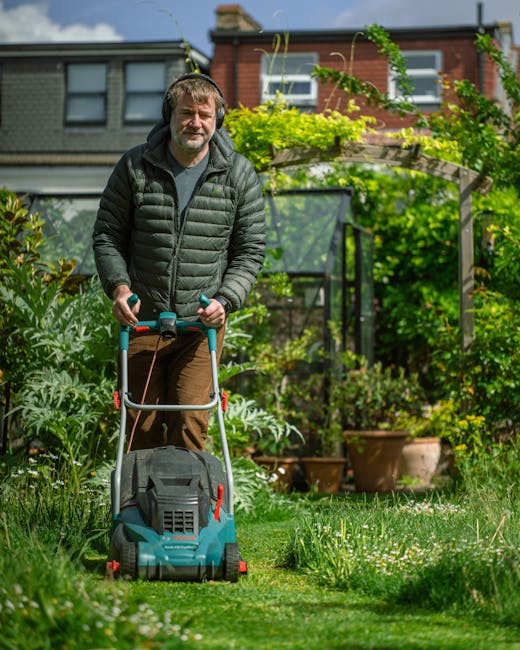
Delays explained why Ilford gardeners cancel and what to do
Few things are more frustrating than getting ready for a garden visit, moving pots aside, clearing the driveway, and then hearing the job is delayed or cancelled. If you have been wondering about Delays explained why Ilford gardeners cancel and what to do, you are not alone. In Ilford, as across London, garden work can be thrown off by weather, traffic, access problems, material shortages, or safety concerns. Sometimes it is a genuine last-minute issue. Sometimes it is poor planning. Either way, it helps to know what is normal, what is not, and how to respond without wasting your own time.
This guide breaks it all down in plain English. You will learn why cancellations happen, how professional garden services usually handle them, what you should ask before booking, and what to do if your appointment slips. We will also cover practical next steps, a useful checklist, and a few mistakes worth avoiding. Let's face it, nobody enjoys being fobbed off. But with the right approach, you can protect your schedule and get the work back on track.
Quick expert summary: Most garden delays come down to weather, travel, access, scope changes, or safety. The best response is calm, specific, and documented: confirm the reason, ask for a revised time, clarify what will happen next, and decide whether the job still fits your plans.
Table of Contents
- Why delays and cancellations matter
- How garden delays usually happen
- Key benefits of handling delays well
- Who this is for and when it makes sense
- Step-by-step guidance
- Expert tips for better results
- Common mistakes to avoid
- Tools, resources and recommendations
- Law, compliance and best practice
- Options and comparison
- Case study or real-world example
- Practical checklist
- Conclusion
- Frequently asked questions
Why Delays explained why Ilford gardeners cancel and what to do Matters
A cancelled gardening appointment is not just an inconvenience. It can affect the whole chain of things around it. A lawn that was meant to be cut before a family gathering grows too long. A hedge that was due to be trimmed keeps blocking light. A clearance job that was supposed to make room for new planting leaves the garden stuck in limbo for another week.
In a busy part of east London, timing matters. Many homes have limited parking, narrow side access, shared entrances, or neighbours who also need quiet hours respected. If a garden team turns up late or has to reschedule, the impact can feel bigger than the delay itself.
It also matters because a delay can tell you something useful about the service. A one-off issue caused by heavy rain is very different from repeated poor communication. Truth be told, cancellations are often where you see whether a company is organised or just winging it.
For homeowners, landlords, letting agents, and busy families, the practical question is not simply why did it happen? It is what do I do now so the garden does not fall behind? That is the heart of this topic.
If you are comparing providers, it is worth looking at the wider service picture too, not just one appointment. A company with a clear services overview and a sensible approach to pricing and quotes is usually easier to work with when schedules change.
How Delays explained why Ilford gardeners cancel and what to do Works
In practice, garden delays usually follow a simple pattern: something disrupts the original plan, the gardener decides whether the job can still be done safely and properly, then the appointment is either moved, shortened, or cancelled.
1. The trigger appears
The most common triggers are weather, traffic, staff illness, equipment failure, or a job turning out to be larger than expected. Sometimes the garden itself creates the issue. Overgrown hedges, blocked access, or hidden waste can turn a quick visit into something more complicated.
2. The gardener reassesses the job
A good gardener does not push ahead blindly. If conditions are unsafe or the time window is no longer realistic, they may reschedule rather than risk a rushed finish. That is especially relevant for tasks such as tree lopping and removal, where safety and equipment handling matter a great deal.
3. The customer is informed
Ideally, you should get a clear message explaining the reason, the new timing, and whether anything needs to change on your side. Good communication is the difference between a manageable delay and a ruined morning.
4. The work is rebooked or re-scoped
Sometimes the appointment is simply shifted. In other cases, the gardener may suggest splitting the job into stages. For example, a large overgrown plot may be better handled through garden clearance first, then lighter garden maintenance later.
There is a rhythm to this, and once you understand it, it is easier not to take the cancellation personally. A delay is not always a red flag. But repeated delays without clear reasons? That is a different story.
Key Benefits and Practical Advantages
Handling delays properly does more than save face. It helps you make better decisions and avoid messy knock-on problems.
- Less wasted time: You are not waiting around all day wondering if anyone is coming.
- Better garden outcomes: Jobs done in poor conditions often look rushed or uneven.
- Clearer expectations: When the reason is explained well, you know whether to trust the reschedule.
- Safer work: Wet paths, strong winds, or poor visibility can make some tasks genuinely risky.
- Smarter planning: You can coordinate around school runs, deliveries, tenants, or events.
A practical example: if you need lawn mowing before a weekend gathering, a day's delay may be a nuisance but not a disaster. If the job is a hedge cut that affects light, privacy, or access, the delay can change how your week feels. Small job, big ripple. That is the reality sometimes.
There is also a trust benefit. A gardener who explains the problem clearly is usually easier to work with than one who goes silent. A simple message can tell you a lot about their standards.
Who This Is For and When It Makes Sense
This advice is useful for anyone booking garden work in Ilford, but a few groups will feel it more sharply than others.
Homeowners
If your garden is part of your weekly routine, a missed visit can quickly lead to overgrowth, fallen leaves, or a space that just feels neglected. You do not need perfection every week. You do need consistency.
Landlords and letting agents
For rental properties, delays can affect viewings, inspections, handovers, and tenant satisfaction. A tidy garden is often part of the wider presentation of a home, even if people do not say it out loud.
Busy families
Families often work around naps, school runs, remote work calls, and weekend plans. If a gardener cancels at short notice, that can throw the whole day off. It is not dramatic, but it is annoying. Very annoying.
People with larger or more complex gardens
Anyone booking hedge work, clearance, landscaping, or decking-related tasks may face more variables than a simple mow. You may want to review options like hedge trimming, landscape gardening, or decking services if your project needs more than routine upkeep.
If you are unsure whether the job is a quick visit or a larger project, that is exactly when delays are more likely. The more clearly you define the work in advance, the fewer surprises later on.
Step-by-Step Guidance
If your gardener is late or cancels, here is a sensible way to handle it without turning the whole thing into a drama.
- Check the message carefully. Look for the reason, the new timing, and whether the appointment is postponed or fully cancelled.
- Reply promptly but calmly. Keep it brief. Ask for a revised arrival window or alternative date.
- Confirm what work is still included. If the team can only do part of the original job, make sure you know which tasks are in and which are out.
- Ask whether anything is needed from you. For example, access instructions, gate codes, moving vehicles, or clearing loose items from a patio.
- Check the weather and access conditions. If the issue was rain, wind, or parking, see whether the same problem will likely happen again.
- Decide whether to keep the booking. If delays keep happening, or communication feels vague, it may be time to choose another provider.
- Keep a written record. Save messages and note dates. It is not paranoid. It is practical.
If the job involves waste or bulky green materials, ask whether they are ready to take care of disposal responsibly, especially for services like recycling and sustainability. That can make a surprising difference to how smoothly the day runs.
A small but useful habit: agree the job scope before the visit. Not in a stiff, formal way, just clearly. "Trim the front hedge, mow the back lawn, remove clippings, and leave the side gate closed." Simple. Clear. No guessing.
Expert Tips for Better Results
Most delays can be managed better with a bit of preparation. Nothing fancy, just the sort of things that make life easier for everyone.
- Book with a realistic time window. Morning slots are not magically safer, but they are often easier to recover if the day shifts.
- Share access details early. Narrow side alleys, locked gates, uneven paving, and shared driveways can all slow the job down.
- Be honest about overgrowth. If the lawn is knee-high or the hedge has become a small woodland, say so. No shame in it.
- Ask how the company handles weather changes. Some jobs can continue in light rain; others really cannot.
- Use photos when useful. A few pictures of the garden can reduce misunderstandings, especially for larger jobs.
One thing many people miss is the knock-on effect of parking. In parts of Ilford, even a perfect schedule can unravel if the team has nowhere sensible to stop. It sounds mundane, but in the real world, it matters.
Another small point: if you are bundling tasks together, such as mowing, clearance, and hedge work, try to sequence them sensibly. You would usually not want a finishing job booked before the clearance is done. Obvious in theory. Less obvious when the diary is full.
Common Mistakes to Avoid
A few mistakes come up again and again, and most are easy to avoid once you know what to look for.
- Assuming a late arrival means bad service. Sometimes the reason is genuine and temporary.
- Waiting too long to ask for an update. If a time window has clearly passed, it is fair to ask.
- Not checking the job scope. A delay can expose the fact that the work was never fully agreed in the first place.
- Ignoring repeated cancellations. One hiccup is manageable. A pattern is a warning.
- Failing to prioritise safety. If the weather is bad or the ground is slippery, pushing ahead is not always the smart call.
- Booking only on price. A very cheap quote can be less helpful than a reliable schedule and good communication.
To be fair, everyone has had that "are they coming or not?" feeling while staring out at the front path. It is not a great feeling. But a calm response usually gets you further than frustration.
Tools, Resources and Recommendations
You do not need special software to manage a delayed garden booking, but a few simple tools help.
- Calendar reminders: Set one the day before and one an hour before the visit.
- Photo notes: Keep before-and-after pictures if you manage several outdoor jobs or rental properties.
- Message history: Keep all booking details in one place, ideally the same email thread or text chain.
- Garden access checklist: Note gate keys, alarm codes, parking restrictions, and pets.
- Maintenance schedule: For recurring work, build a seasonal rhythm rather than waiting until the garden is overgrown.
For regular upkeep, a recurring plan through garden maintenance often reduces the chance of urgent rescheduling because the work stays manageable. Likewise, if your outdoor space needs broader improvement, landscaping can be paired with ongoing care so the job does not become too large to fit neatly into a single visit.
And if you want to understand the company a bit more before booking, looking at about us is often worthwhile. It helps you see whether the business sounds organised, local, and straightforward, which, honestly, is half the battle.
Law, Compliance, Standards, or Best Practice
For most gardening appointments, there is no dramatic legal complexity. Still, there are a few sensible UK best-practice points worth keeping in mind.
First, if work is being done on your property, both sides should understand the agreed scope, price, and timing. That is why written quotes and clear terms matter. If there is confusion, disputes usually begin there.
Second, safety is not optional. Garden work can involve sharp tools, ladders, lifting, wet surfaces, and sometimes awkward access. A reputable provider should take insurance and safety seriously, which is why pages such as insurance and safety and health and safety policy are reassuring signs rather than boring admin.
Third, if a job has to be rescheduled because of conditions that would make it unsafe or impractical, that is generally a normal professional judgement. It may be inconvenient, but it is better than forcing work through poor conditions and creating damage or injury risk.
Finally, if you are unhappy with repeated cancellation patterns or the way a complaint is handled, it is reasonable to use the provider's formal process. A clear complaints procedure shows that the business is at least willing to deal with problems properly.
Options, Methods, or Comparison Table
When a garden appointment is delayed, you usually have a few choices. The best one depends on urgency, weather, and how much flexibility you have.
| Option | Best for | Pros | Trade-offs |
|---|---|---|---|
| Wait for the revised slot | Minor delays, reliable gardener, good communication | Least disruption, keeps the same provider | You may still lose time if the diary slips again |
| Split the work into stages | Large or messy gardens | Easier to fit around weather and access issues | Can take longer overall |
| Rebook for a different day | Non-urgent jobs | Cleaner reset, less stress on the day | Garden condition may worsen in the meantime |
| Change provider | Repeated cancellations or poor communication | Fresh start, potentially better reliability | Requires new quotes and setup time |
For many people, the best approach is not all-or-nothing. A delayed mowing visit might simply be moved. A bigger, more demanding project may need to be broken up. That is often the calmer, smarter route.
Case Study or Real-World Example
Imagine a homeowner in Ilford who booked a mixed visit: lawn cut, front hedge trim, and light clearance. The team was due mid-morning, but overnight rain left the back path slick and the hedge trimming was going to create a lot of debris. The gardener called ahead, explained that the original plan would take longer and be messier than expected, and offered a revised slot later in the week.
Not ideal, of course. The homeowner had planned to use the garden that weekend. But because the communication was clear, the issue stayed manageable. The client moved a few planters, asked for the lawn work to be prioritised on the next visit, and made a note to book hedge work earlier in the season next time.
Now compare that with a second scenario. Same weather, same job, but no message, no update, and a vague promise that "someone might still come by." That is where frustration grows. By the time the afternoon arrives, the whole day feels wasted. The actual gardening problem is smaller than the communication problem.
That difference is the main lesson. Delays happen. Silence and confusion do not need to.
Practical Checklist
Use this simple checklist if your gardener is delayed or cancels.
- Have you received a clear reason for the delay?
- Do you know whether the job is postponed or fully cancelled?
- Has a new time or date been offered?
- Is the revised plan still practical for you?
- Do you need to move vehicles, unlock gates, or clear access?
- Have you checked whether weather or site conditions may affect the next visit too?
- Is the scope of work still the same?
- Have you saved the written messages?
- Do you need to ask about disposal, recycling, or waste removal?
- Are you seeing repeated delays that suggest a bigger reliability issue?
Useful rule of thumb: if the explanation is clear, the new date is realistic, and communication stays respectful, the problem is usually manageable. If not, pay attention.
Conclusion
Garden delays are frustrating, but they are not all the same. Some are unavoidable, especially when weather, access, or safety get in the way. Others point to weak planning or poor communication. The key is to separate the two.
If you understand why Ilford gardeners cancel, you can respond more calmly and make better decisions. Ask for a clear explanation, confirm the new plan, keep a record, and be honest about whether the service still fits your needs. That simple approach saves time, reduces stress, and usually gets better results in the long run.
And if the job is more complex than a standard visit, it can help to look at the wider service mix, from lawn mowing to tree lopping and removal, so the work is matched properly to the garden. Small detail, big difference.
Get a free quote today and see how much you can save.
At the end of the day, a well-run garden service should leave you with more calm than hassle. That is the standard worth expecting.
Frequently Asked Questions
Why do Ilford gardeners cancel at short notice?
The most common reasons are bad weather, traffic, illness, equipment problems, or a job taking longer than expected. Sometimes access issues or an unexpectedly large amount of work are the real cause.
Is a cancelled gardening appointment always a bad sign?
Not necessarily. One-off cancellations happen in any trade. What matters is whether the gardener explains the reason clearly, offers a sensible new date, and keeps you updated.
What should I do first if my gardener is late?
Wait a reasonable amount of time, then send a polite message asking for an update. Keep it brief and factual. If you have a booking record, check the agreed arrival window first.
How much notice should a gardener give for a cancellation?
As much notice as possible. In reality, some delays only become obvious on the day. A good provider should still contact you as soon as they know the appointment cannot go ahead.
Can weather legally justify cancelling garden work?
Yes, often it can, especially if the work would be unsafe or the result would be poor. Wet ground, high winds, or poor visibility can affect both safety and quality.
Should I still pay if the gardener never turned up?
That depends on the booking terms and what was agreed. If no work was carried out, ask for clarification before paying. Keep all communication in writing.
What if the gardener keeps cancelling the same job?
Repeated cancellations are worth treating as a warning sign. Ask whether the job is too large, whether access is a problem, or whether you should switch providers.
How can I reduce the chance of a delay?
Be clear about the job, share access details, mention parking or gate issues, and book with a realistic time window. For ongoing work, regular maintenance can make scheduling much easier.
Are cheaper gardeners more likely to cancel?
Not always, but very low prices can sometimes mean tighter margins and less flexibility. Reliability, communication, and proper planning often matter more than the lowest quote.
What kind of garden jobs are most likely to be rescheduled?
Larger or weather-sensitive jobs, such as hedge trimming, clearance, tree work, or broader landscaping, are more likely to shift if conditions are poor or the scope changes.
Should I ask for a written explanation?
Yes, especially if the delay affects important plans or keeps happening. A written message gives you a clear record and usually leads to a more precise answer.
When is it time to choose a different gardener?
If cancellations become regular, communication is vague, or the same problem keeps repeating, it may be time to move on. A reliable service should feel steady, not stressful.
Even a delayed appointment can lead to a better long-term decision. A garden, after all, rewards patience and clear thinking more than panic.