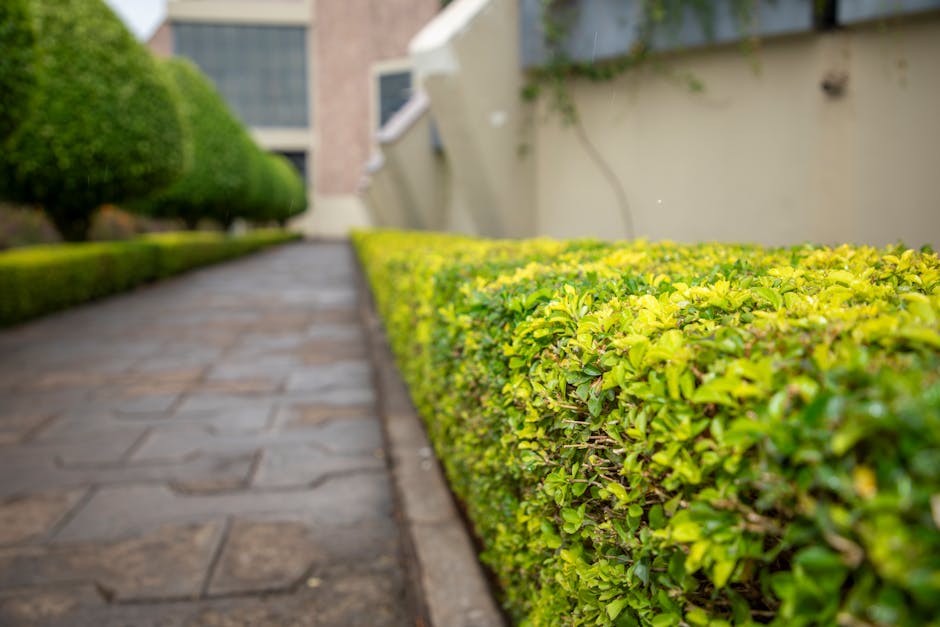
Exchange Ilford venue garden maintenance by local gardeners
If you manage or look after an event venue, you already know the outside space can make or break the first impression. Exchange Ilford venue garden maintenance by local gardeners is about keeping that frontage, courtyard, pathway planting, or landscaped corner looking tidy, safe, and ready for visitors day after day. It is not just a case of "mow it and move on". Venue grounds need regular attention, a flexible schedule, and a practical eye for presentation. And in a busy place, that really matters.
Local gardeners bring something useful that's easy to overlook: they understand the pace of the area, the way London weather can turn a decent border into a messy one in a week, and the simple fact that venues need the outside to look cared for without becoming a maintenance headache. In this guide, we'll break down what good venue garden maintenance involves, how it works, who needs it, and how to get consistently good results without overcomplicating the job.
One thing to keep in mind from the start: good maintenance is often invisible when it is done well. The grass is even. The hedges are crisp. The entrance feels calm. No drama. That's the point.
Why Exchange Ilford venue garden maintenance by local gardeners Matters
Venue gardens and outdoor areas have a different job from a private back garden. They need to work for guests, staff, deliveries, photographers, caterers, security teams, and sometimes people arriving in a bit of a rush with coats, umbrellas, and phones in hand. A garden that is "fine for now" at home can look a bit tired, or even become awkward, at a venue.
That is especially true for spaces around event entrances, smoking areas, accessible routes, loading points, and any shared outdoor zones. Overgrown shrubs, slippery moss, uneven edges, litter caught in borders, or muddy patches near steps can quickly become more than cosmetic issues. They can affect safety, access, and the overall feel of the venue.
Local gardeners are useful here because they tend to work with the practical realities of the site. They can make quick visits, respond to seasonal growth, and keep things presentable between larger jobs. If a border needs a neat cut before a weekend booking, that is a different rhythm from a once-a-month home garden visit. A venue often needs a steadier hand.
There is also a branding side to this. People notice what the outside looks like before they notice the reception desk. A well-kept entrance can quietly signal care, professionalism, and attention to detail. It sounds small. It isn't.
If your venue is part of a wider property package, it can help to view the outside as one system rather than a separate add-on. Services such as garden maintenance, lawn mowing, and hedge trimming often work best when they are planned together, not booked in isolation every time something starts to look rough.
How Exchange Ilford venue garden maintenance by local gardeners Works
In practice, venue garden maintenance usually begins with a site assessment. That first visit helps identify what needs regular care, what is seasonal, what creates risk, and what simply needs tidying for appearance. A good local gardener will look at the whole outdoor picture: lawns, edging, shrubs, hedges, borders, access paths, waste build-up, and any features like decking or planted seating areas.
After that, maintenance is typically built around a schedule. For some venues, weekly or fortnightly visits make sense during the growing season. For others, a lighter programme with seasonal uplift works better. The key is consistency. If the garden is left too long, the work becomes heavier, slower, and more disruptive. And honestly, it's rarely cheaper in the long run.
A typical maintenance plan for a venue may include:
- grass cutting and edge refinement
- hedge and shrub trimming
- weeding and border tidy-ups
- leaf clearance and general sweeping
- deadheading and basic planting care
- removal of minor debris and green waste
- checking pathways, steps, and entrance visibility
Some venues also need more structural support. If a space has become overgrown, unbalanced, or difficult to use, it may need a mix of maintenance and improvement work. That can include garden clearance to reset neglected areas, or landscaping if the layout itself is holding the site back.
In a well-run arrangement, the gardener is not just trimming and tidying. They are keeping an eye on patterns. Is one side of the lawn always wetter? Are the same shrubs blocking the route every month? Is a hedge getting too wide for the frontage? Small observations like that save time later. A lot of garden maintenance is really about noticing before things become obvious.
Key Benefits and Practical Advantages
The best reason to use local gardeners for venue maintenance is simple: the outside stays ready. But there are several practical benefits worth spelling out.
1. Better presentation, all year round
Venues rarely get a "quiet" season in the way people imagine. There are always inspections, private bookings, photo opportunities, deliveries, client visits, and staff movement. A maintained garden keeps the site looking organised, even when the schedule is busy. Guests may not mention it, but they notice it straight away.
2. Safer access and fewer avoidable issues
Slips, trip hazards, overhanging growth, and blocked sightlines are not just maintenance problems. They can affect how people move through the site. Clear paths, trimmed edges, and controlled plant growth make everyday movement simpler and less risky.
3. Less disruption than reactive work
Reactive gardening is usually the messy kind. Something has gone wrong, or at least waited too long. A planned maintenance routine keeps the work lighter, cleaner, and more predictable. That matters in a venue environment where timing really is everything.
4. Better use of outdoor space
A venue garden does not need to be huge to be useful. A small courtyard, a front approach, or a side planting area can all become more functional when they are kept in shape. Regular care can improve flow, visibility, and how the space supports the building.
5. Stronger long-term value
Neglected planting beds, patchy lawns, and untrimmed hedges often become more expensive to correct later. Regular maintenance protects the investment already made in the site. It also gives you time to plan improvements properly instead of rushing repairs when the place starts looking tired.
Expert summary: if the outside space is part of the customer experience, maintenance should be treated as an operational priority, not a cosmetic extra. That's the simple truth of it.
Who This Is For and When It Makes Sense
This type of maintenance makes sense for a wide range of sites, not just formal wedding venues. If the outdoor area is seen by the public, used by visitors, or contributes to the business image, regular upkeep is worth considering.
It is particularly relevant for:
- event venues and function spaces
- restaurants or hospitality sites with outdoor seating
- conference spaces and business venues
- community halls with gardens or access landscaping
- carefully kept private venues that host guests regularly
- properties with shared entrances or semi-public grounds
It also makes sense if you've reached the point where "we'll sort it next week" has become a habit. Let's face it, gardens have a way of becoming everyone's future problem. If staff are already spending time sweeping leaves, pulling weeds, or cutting back plants between bookings, outsourcing to local gardeners can free up time and create a more consistent standard.
You may not need a full redesign. Sometimes you just need the place to stop nagging at you. A tidy entrance can do that.
Step-by-Step Guidance
If you are planning venue garden maintenance, it helps to approach it in a sensible order rather than trying to fix everything at once.
Step 1: Walk the site like a visitor
Start at the entrance and move through the outdoor space as a guest would. Look for first impressions, awkward corners, visible weeds, broken sightlines, and areas that collect dirt or water. What looks acceptable from one angle may look scruffy from another. That part catches people out all the time.
Step 2: Separate maintenance from improvement
Not every issue is a maintenance issue. Some things need routine attention, while others need a one-off reset or even structural work. A neglected border may need clearance first, while an uneven or dull-looking outdoor section may benefit from broader landscape gardening.
Step 3: Prioritise the high-visibility areas
Not all parts of a venue garden matter equally. Entrance routes, seating areas, and visible frontages usually deserve priority. Back-of-house spaces still matter, especially where staff walk or waste is stored, but you do not have to treat every metre with the same urgency.
Step 4: Set a practical routine
Good maintenance is easier when it is regular. Decide how often the garden needs attention in each season and what the minimum acceptable standard is. In spring and summer, growth often accelerates faster than anyone expects. By early afternoon, you can almost feel the difference in the air. Tiny fresh shoots one week, a bit of a jungle the next. Not ideal.
Step 5: Include waste handling and finishing touches
A job is not really finished if clippings, leaves, and debris are left in view. Finishing matters. Edges should be clean, paths swept, and waste removed responsibly. If the site has accumulated more than a routine tidy can handle, a deeper reset through garden clearance may be the smarter starting point.
Step 6: Review and adjust
After a few visits, check whether the schedule matches the actual use of the venue. A popular site with frequent events may need more attention than a quieter one. A shaded front garden may need less mowing but more moss or leaf management. That kind of adjustment is normal, and a good local gardener should welcome it.
Expert Tips for Better Results
To get better results from venue garden maintenance, a few small habits make a big difference.
- Keep access clear at all times. A good maintenance visit goes faster when tools, bins, and storage items are not blocking routes.
- Match the schedule to the venue calendar. If Friday and Saturday are busy, do the tidying before those days rather than after them.
- Ask for detail on the visible edges. Trimmed hedges and neat borders do a lot of heavy lifting for presentation.
- Don't ignore the "awkward" parts of the site. Side passages, fence lines, and entrance corners often show wear first.
- Use the same standard every time. Inconsistent garden care looks strange, even if each individual visit was fine.
Another useful tip: make sure the maintenance team understands how the site is used. A venue is not a private lawn. People will walk through at odd hours, cameras may be out, and certain areas may need to look good from the road as well as from the door. The more context they have, the better the result usually is.
If your outdoor space includes hard landscaping or timber features, regular checks are worth building in. Services such as decking services can be relevant where safe, clean surfaces matter as much as planting. And if a hedge line or shrub boundary is defining the site, keeping up with hedge trimming keeps the whole place feeling sharp instead of unruly.
Common Mistakes to Avoid
Venue garden maintenance sounds straightforward until a few familiar mistakes start stacking up. Most of them are avoidable, which is the frustrating part.
Waiting until the garden looks bad
By the time a venue garden looks obviously untidy, the work is already heavier. Costs rise, disruption increases, and the site can spend too long in a poor visual state. Regular care is almost always easier than rescue work.
Treating every area the same
The front entrance is not the same as a back strip of planting, and the lawn is not the same as a shrub bed. Different areas need different frequencies and different finish levels. A one-size-fits-all approach tends to miss the point.
Ignoring seasonal pressure
Spring growth can be fast, summer dry spells can stress planting, and autumn leaves can create extra clearing work. If you do not plan for the season, the site will remind you, usually at the least convenient time.
Overlooking waste and storage
Even a well-cut garden can look untidy if green waste is left on site too long or storage areas are visible to guests. The finish is part of the service.
Not checking safety and access arrangements
Working on a venue often means sharing space with staff and visitors. Clear communication matters. If gardeners arrive and have to work around moving guests or blocked access, efficiency drops and the risk of confusion goes up.
A small bit of planning saves a lot of back-and-forth. Nothing glamorous about it, but there you are.
Tools, Resources and Recommendations
Good results come from the right combination of tools, scheduling, and site knowledge. While the exact kit depends on the garden, most venue maintenance jobs rely on a practical set of basics rather than anything fancy.
Common tools and equipment may include:
- mowers and edging tools for lawns
- hedge trimmers and hand shears for shaping growth
- rakes, blowers, and brushes for leaves and debris
- loppers and pruning tools for smaller woody growth
- barrows, bags, and collection equipment for waste
- basic hand tools for weeding and planting adjustments
From a planning point of view, it helps to keep a simple site record. Nothing complicated. Just notes on what was done, what is recurring, and what needs attention next time. A short record makes it easier to spot patterns, and it avoids the classic "didn't we already sort that?" moment. We've all had one of those.
If you are choosing between a routine maintenance agreement and a broader property upgrade, it may help to compare the services offered. services overview pages are useful for understanding where ongoing care ends and bigger site improvements begin. For purely financial planning, the pricing and quotes information can help set expectations before work starts.
Law, Compliance, Standards, or Best Practice
Venue garden maintenance is not usually about complex regulation, but there are still sensible standards to follow. If the outdoor area is used by the public, staff, or visitors, the site should be maintained with safety and access in mind. That includes keeping routes clear, reducing obvious trip hazards, and making sure garden waste does not create avoidable problems.
Local businesses and venues also need to think about working practices. Garden teams should understand site access, safe tool handling, and how to work around people who may be moving through the area. That's basic professionalism, really, but it matters.
It is also wise to ask about insurance, health and safety, and how a contractor manages risk on site. If you want to understand those principles in plain English, it can help to review the company's own approach to insurance and safety and its health and safety policy. For customers who care about waste handling and greener practice, recycling and sustainability details are worth a look too.
Best practice is usually simple: work cleanly, leave access tidy, remove waste properly, and keep communication clear. If a contractor can explain their process without waffle, that is often a good sign.
Options, Methods, or Comparison Table
There is more than one way to manage a venue garden. The right choice depends on size, footfall, budget, and how polished the site needs to look.
| Approach | Best for | Strengths | Limitations |
|---|---|---|---|
| Reactive maintenance | Very low-use outdoor areas | Low commitment upfront | Often looks inconsistent and becomes costly over time |
| Scheduled routine care | Most venues and hospitality spaces | Reliable presentation, easier planning, fewer surprises | Needs regular coordination |
| Seasonal maintenance bursts | Sites with lighter use or limited budgets | Useful for spring reset and autumn tidy-ups | Can still look uneven between visits |
| Maintenance plus improvement work | Neglected or changing venues | Resets the site and improves function | More initial disruption, but often worth it |
For many venues, routine care is the sweet spot. It keeps things manageable without pushing you into constant intervention. If the garden is already struggling, a blended approach with clearance, trimming, and selective improvement is often the smarter route.
Case Study or Real-World Example
Imagine a venue with a front lawn, a narrow side border, and a small planted area near the entrance. On paper, it sounds simple enough. In reality, the front lawn gets flattened by guests crossing from cars, the side border traps leaves and litter, and the entrance planting starts leaning into the walkway after a few wet weeks.
In that situation, local gardeners would usually start by restoring the visibility and structure of the front areas. The lawn gets an even cut, edges are sharpened, and the border is weeded back to a baseline. If the hedge is crowding the path, it is trimmed before it becomes a visual blockage. If there is dead or damaged planting, it is removed rather than hidden behind a quick tidy.
Then comes the timing. The venue might not need weekly visits all year. But it may need a short, regular service in spring and summer, plus an autumn cleanup when leaves start building up. After a couple of visits, the garden stops feeling like a problem and starts feeling like part of the venue again. Simple, really, though it takes discipline to get there.
The useful part of this example is that it shows how small outdoor areas can still need proper maintenance. You do not have to own a big estate to benefit from a professional approach. Sometimes a very modest space has the biggest effect on arrival.
Practical Checklist
Use this checklist before booking or reviewing venue garden maintenance:
- Identify all visible outdoor areas used by guests or staff.
- Mark the highest-priority spaces: entrance, paths, seating areas, and public-facing borders.
- Check whether the site needs routine care, a clearance reset, or both.
- Decide how often the garden should be maintained across the seasons.
- Confirm how clippings, leaves, and green waste will be removed or managed.
- Ask whether hedge trimming, lawn mowing, and border care are included or separate.
- Make sure access arrangements are clear for working around visitors.
- Review safety, insurance, and communication expectations before the first visit.
- Set a simple standard for how the site should look after each visit.
- Agree on a review point after the first few sessions.
Quick takeaway: the best venue garden maintenance is regular, tidy, and easy to live with. If it feels stressful every time you think about it, the schedule probably needs simplifying.
Conclusion
Exchange Ilford venue garden maintenance by local gardeners is really about making outdoor space work properly for a venue, not just making it look neat for a day. When the garden is maintained with care, the site feels more professional, safer to use, and easier to run. Visitors get a better first impression. Staff get fewer headaches. And the whole place feels more settled.
The main thing is consistency. A bit of planning, the right seasonal rhythm, and a gardener who understands venue priorities can prevent a lot of avoidable mess. Whether your space needs routine upkeep, a more involved reset, or help balancing lawn, hedges, and planting, a local team can usually shape the work to fit the site rather than forcing the site to fit the work.
If you are weighing up options, start with the spaces people see first, then build outward from there. That approach is usually calmer, cleaner, and more cost-effective. And once the garden is under control, the venue tends to feel lighter somehow. Less to think about. More room to get on with the real job.
Get a free quote today and see how much you can save.
When the outside of a venue is cared for properly, everything else feels a little easier. That's worth doing, honestly.
Frequently Asked Questions
What does venue garden maintenance usually include?
It usually covers lawn mowing, edging, hedge trimming, weeding, leaf clearance, border tidying, and removal of minor garden waste. Some venues also need occasional clearance or improvement work.
How often should a venue garden be maintained?
That depends on growth, footfall, and the level of presentation needed. Many venues benefit from weekly or fortnightly visits during active growing months, then lighter seasonal maintenance later in the year.
Why use local gardeners instead of an in-house team?
Local gardeners bring flexibility, specialist equipment, and regular expertise without adding to your internal workload. They can also respond more quickly when a venue needs a tidy-up before an event.
Is garden maintenance different from garden clearance?
Yes. Maintenance is ongoing care to keep the site in shape. Garden clearance is usually a larger reset for overgrown, cluttered, or neglected areas before normal maintenance resumes.
What are the biggest problems with venue gardens?
The common ones are overgrowth, patchy lawns, blocked entrances, leaf build-up, and borders that start to look neglected. Safety issues and poor first impressions tend to appear before people realise how much has changed.
Can maintenance help a small outdoor area look better?
Absolutely. In many venues, small areas have a big visual impact because guests see them first. A tidy entrance or courtyard can change the feel of the whole property.
Do I need hedge trimming as part of regular venue care?
If hedges frame the site, guide visitors, or affect visibility, then yes, regular hedge trimming is usually part of a sensible maintenance plan. It keeps the space sharp and prevents growth from becoming awkward.
How do I know if my venue needs landscaping instead of simple maintenance?
If the layout is not functioning well, if planting is poorly placed, or if the garden has structural problems, maintenance alone may not be enough. In that case, some form of landscaping or landscape gardening may be the better starting point.
What should I ask before hiring a gardener for a venue?
Ask what is included, how often visits are recommended, how waste is handled, what safety measures are in place, and whether they have experience working in public-facing spaces. Clear answers are a good sign.
How can I keep costs sensible without letting the site slide?
Use a routine schedule, focus on the highest-visibility areas first, and combine small jobs where possible. That tends to be more efficient than booking separate fixes every time something gets out of hand.
What happens if the garden is already badly neglected?
Usually the first step is a clearance or reset, followed by a maintenance plan. Trying to maintain a neglected garden without clearing it first often means you are fighting the same problems repeatedly.
Where can I find more information about service options?
A good starting point is the services overview, which helps you see how routine care, clearance, and improvement work fit together. From there, you can decide what the site actually needs rather than guessing.