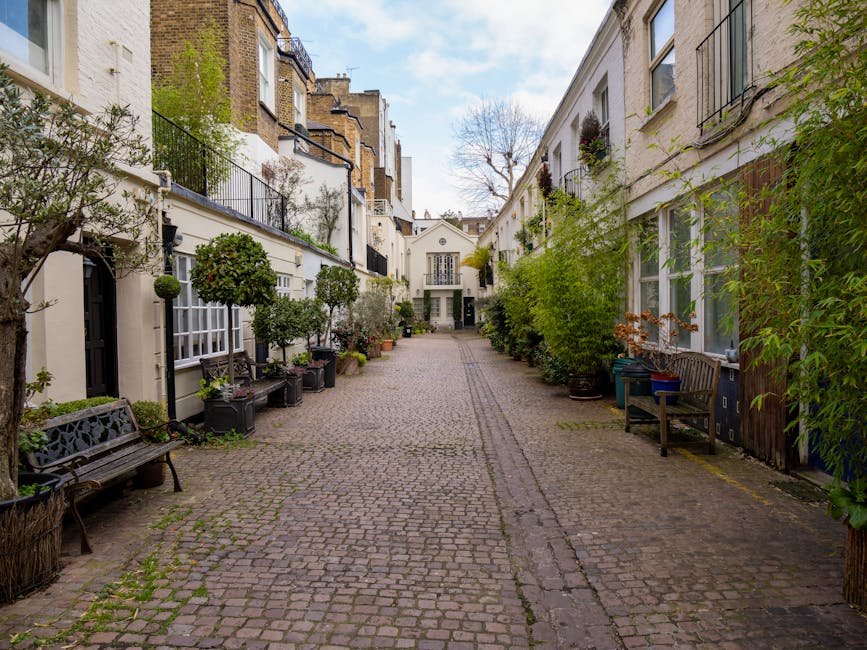
Gants Hill gardeners offering courtyard pruning by station: a practical guide to tidy, manageable outdoor spaces
Courtyard gardens can be lovely, but they can also become a bit of a puzzle. One side is shaded, the paving slips a little after rain, the shrubs lean into the walkway, and suddenly the space feels tighter than it should. If you have been looking for Gants Hill gardeners offering courtyard pruning by station, you are probably after something very specific: careful, local pruning that keeps a compact garden neat without stripping away its character.
This guide explains what courtyard pruning involves, why it matters in a busy local setting, how a good gardener approaches it, and what you should expect before anyone starts cutting. Whether your courtyard is tucked behind a terraced home, near a station route, or simply squeezed into a smaller urban plot, the right pruning makes a noticeable difference. Truth be told, a well-tended courtyard can feel twice the size.
You will also find a step-by-step process, common mistakes to avoid, a comparison of pruning methods, and a practical checklist you can use before booking. For a broader look at related upkeep, it can help to read the site's garden maintenance and services overview pages as well.
Table of Contents
- Why Gants Hill gardeners offering courtyard pruning by station Matters
- How Gants Hill gardeners offering courtyard pruning by station Works
- Key Benefits and Practical Advantages
- Who This Is For and When It Makes Sense
- Step-by-Step Guidance
- Expert Tips for Better Results
- Common Mistakes to Avoid
- Tools, Resources and Recommendations
- Law, Compliance, Standards, or Best Practice
- Options, Methods, or Comparison Table
- Case Study or Real-World Example
- Practical Checklist
- Conclusion
- Frequently Asked Questions
Why Gants Hill gardeners offering courtyard pruning by station Matters
Courtyards are not like open suburban lawns. They are compact, enclosed, and often shared by hard surfaces, boundary walls, planters, steps, and narrow access points. That means pruning has to do more than "make it look tidy". It has to respect the shape of the space, the light available, the way people move through it, and the fact that one heavy-handed cut can dominate the entire garden.
In a station-adjacent part of East London, practicality matters even more. People want gardens that look presentable, yes, but also gardens that are easy to live with. Leaves gather on paving. Branches brush windows. Climbers creep over gates. A courtyard can go from welcoming to awkward very quickly if growth is left unchecked for even a short period.
That is where thoughtful pruning earns its keep. Done properly, it opens up walkways, improves airflow, reduces shading, and helps the planting stay balanced. It can also protect surfaces and nearby structures from damage. If you have ever had to edge sideways past a shrub while carrying shopping, you know the feeling. Not ideal.
Expert summary: courtyard pruning is not about cutting everything back. It is about shaping plants so they suit the space, stay healthy, and remain manageable all year round.
For homeowners comparing broader service options, pruning often sits alongside hedge care, clearance, or ongoing upkeep. That is why pages such as hedge trimming and lawn mowing can be useful to explore if your courtyard links into a larger garden. Small spaces still need a full plan.
How Gants Hill gardeners offering courtyard pruning by station Works
Good courtyard pruning starts with a proper look at the space. The gardener should check what is growing, how much room there is, where the light falls, and whether the plants are ornamental, flowering, evergreen, or climbing. A rosemary shrub, for example, needs a very different touch from a vigorous jasmine or an overgrown bay tree. Same courtyard, very different approach.
The work usually follows a few clear stages:
- Assessment: the gardener identifies the plant types, their health, and how much pruning they can safely take.
- Shape and access review: they look at paths, gates, walls, windows, drains, and seating areas that might be affected.
- Selective pruning: dead, damaged, crossing, or congested stems are removed first.
- Forming the structure: the remaining growth is shortened or thinned to improve shape, light, and spacing.
- Clear-up: all cuttings are collected, and the courtyard is left usable rather than cluttered.
That sounds simple, but the skill is in restraint. In a courtyard, over-pruning can make the space feel bare and exposed. Under-pruning can leave it cramped and untidy. The sweet spot is somewhere in between, and it tends to come from experience more than guesswork.
Depending on the planting, a gardener may use secateurs, loppers, hand saws, or hedge shears. In tighter spaces, smaller hand tools are often better because they offer more control and reduce accidental damage. If the work includes anything taller or more structural, a service like tree lopping and removal may be more suitable for the problem plant, though many courtyard jobs do not need anything that drastic.
A sensible provider will also think about disposal. Cuttings from a courtyard can be awkward to move through narrow hallways or side passages, so clean bagging and efficient removal matter more than people expect. It is one of those small things that makes the whole job feel professional.
Key Benefits and Practical Advantages
Courtyard pruning brings several very real benefits, and most of them show up quickly. You do not need to wait months to notice the difference.
- More usable space: cutting back encroaching growth makes paths, steps, and seating areas feel less crowded.
- Better light levels: thinner canopies and tidier climbers allow more daylight into the courtyard and nearby rooms.
- Healthier plants: removing dead or crowded growth improves air movement and can reduce disease pressure.
- Safer movement: pruning back obstructive branches lowers the chance of snagging clothes, scraping skin, or blocking access.
- Improved appearance: a carefully pruned courtyard looks intentional rather than left to fend for itself.
- Less maintenance stress: once the structure is right, ongoing care becomes easier and less time-consuming.
There is also a quieter benefit: peace of mind. Many people simply feel better when a small outdoor space is not fighting them every time they open the back door. The eye can relax a bit. The whole place breathes.
If your courtyard sits near decking, walls, or raised edges, pruning also supports the rest of the garden design. A smart combination of pruning and structural care often works best, especially where people are using decking services or thinking about wider landscaping changes.
Who This Is For and When It Makes Sense
Not every garden needs the same level of pruning, and not every courtyard needs a full reshaping. But there are plenty of situations where the service makes a lot of sense.
You may be a good fit if:
- shrubs or climbers are crowding a narrow courtyard
- branches are brushing windows, gutters, or railings
- you cannot see the shape of the planting anymore
- the space feels dark, enclosed, or hard to use
- you are preparing to let, sell, or photograph a property
- you want a seasonal tidy-up rather than a complete redesign
- you need access to be safer for children, visitors, or older residents
It is also useful if you are maintaining a garden between bigger visits. In many cases, courtyard pruning is part of routine upkeep rather than a one-off rescue job. That's especially true in urban settings where plants can be both resilient and slightly too enthusiastic. To be fair, that enthusiasm is part of the charm. Until it isn't.
If you are unsure whether your space needs pruning, clearance, or something more structural, a quick comparison with garden clearance can help. Clearance is usually more about resetting an overgrown area, while pruning is about shaping and maintaining what you already want to keep.
Step-by-Step Guidance
If you are hiring a gardener or planning the work yourself, it helps to know what a sensible process looks like. Courtyard pruning should never be rushed just because the space is small.
- Walk the courtyard slowly. Note what feels cramped, shaded, broken, tangled, or out of proportion.
- Identify the plants. Even common shrubs behave differently. Some flower on old wood, some on new wood, and some hate being cut at the wrong time.
- Set the objective. Are you aiming for more light, more shape, more access, or all three?
- Start with dead or damaged growth. This usually comes out first because it helps reveal the plant's real structure.
- Thin where needed. Remove crossing stems, inward growth, and congested sections rather than just trimming the outside surface.
- Step back often. In a courtyard, a small change can look huge. Check the shape from the door, the window, and the seating area.
- Finish with a tidy edge. Clean edges, gathered cuttings, and swept paving matter more than people think.
A good rule of thumb: if you are hesitating, pause and look again. A courtyard punishes impatience. One over-enthusiastic cut can change the whole feel of the space. Sometimes that change is good; sometimes it is a little grim. Best to keep your nerve and go steadily.
If the pruning is part of a broader care plan, it may be combined with other routine tasks such as regular garden maintenance. That can be a better approach than booking one-off jobs in isolation, because the planting, surfaces, and access all stay in sync.
Expert Tips for Better Results
A few practical habits make courtyard pruning much more effective. These are the kind of details that separate a decent result from one that just feels right.
- Prune for shape, not just size. A smaller plant is not automatically a better plant. Aim for balance and movement.
- Preserve the natural habit. Let the plant keep its character where possible. A rounded bay should still look like a bay, not a traffic cone.
- Work with the light. In shaded courtyards, selective thinning can be more useful than hard reduction.
- Think about sightlines. A carefully opened view from the kitchen or back door often transforms the whole room.
- Respect the season. Some plants tolerate pruning at several points in the year, others are far more specific. If in doubt, ask before cutting.
- Keep access in mind. Make sure gardeners can move tools and waste through the property without creating extra mess.
One often overlooked tip is to decide what you want the courtyard to feel like after pruning. Calm? Brighter? More private? Easier to sweep? Those goals lead to better decisions than "just take a bit off everything".
And yes, pruning near the station or a busy local route can make timing matter too. If noise or foot traffic is a concern, a considerate gardener will plan the work so disruption stays limited. Small job, big difference.
Common Mistakes to Avoid
Courtyard pruning goes wrong in predictable ways, and most of them come from rushing or not planning enough. The good news is that they are avoidable.
- Cutting too hard in one go: severe reduction can stress plants and leave the courtyard looking bare.
- Shearing everything into a flat block: this may look neat for a week, then turn awkward and lifeless.
- Ignoring plant type: pruning decisions should be based on the species, not just appearance.
- Leaving stubs or ragged cuts: rough cuts can slow recovery and create entry points for problems.
- Forgetting access and clean-up: a courtyard can feel worse after pruning if debris is left behind.
- Pruning only once it becomes a problem: regular, lighter work is usually easier and kinder to the garden.
Another common mistake is treating all overgrowth as if it needs to be removed. Sometimes it does. But sometimes a plant just needs selective opening up, especially if it forms the soft structure of the whole courtyard. Not every crowded corner is a disaster. Some are just waiting for a careful hand.
Tools, Resources and Recommendations
Most courtyard pruning jobs do not need a van full of specialist kit. In fact, smaller tools are often preferable because the work is close, detailed, and often near walls, glass, or paving.
| Tool or approach | Best use | Why it helps in courtyards |
|---|---|---|
| Secateurs | Thin stems, light shaping, dead growth | Precise control in tight spaces |
| Loppers | Thicker stems and awkward reaches | Cleaner cuts than forcing branches |
| Hand saw | Woody growth and smaller structural cuts | Useful where larger machinery would be excessive |
| Hedge shears | Formal hedging and surface refinement | Creates tidy edges, but should not replace selective pruning |
| Stiff broom and garden bags | Clear-up | Essential for making paved courtyards usable again |
For many homeowners, the best "resource" is a reliable maintenance plan rather than a single dramatic visit. If a courtyard is part of a wider property, services like lawn mowing, hedge trimming, and even landscape gardening can help keep the whole outdoor area coherent.
Another practical recommendation: choose a provider who talks plainly about what will be pruned, what will be left alone, and what waste will be taken away. If the explanation feels vague, that is worth noticing. Clear communication is usually a good sign.
Law, Compliance, Standards, or Best Practice
For courtyard pruning, the most useful approach is to follow sensible UK garden best practice rather than relying on assumptions. Local trees, boundary growth, shared access, and neighbouring properties can all create complications, so a careful gardener will check the situation before cutting.
A few standards of good practice are worth expecting:
- Safety first: tools should be handled properly, and access should be kept clear while work is underway.
- Respect for boundaries: growth near fences, walls, and neighbouring gardens should be managed carefully.
- Protected or significant trees: if a tree seems more substantial than a routine courtyard plant, extra caution is sensible before any major work.
- Waste handling: cuttings should be removed or disposed of responsibly, not dumped in a corner for later.
- Insurance awareness: a professional team should be able to explain how they handle risk and liability in general terms.
It is also reasonable to expect transparency about safety, payment, and complaints handling. If you are comparing providers, the company's own policy pages can tell you a lot about its approach. The pages on insurance and safety, health and safety policy, and terms and conditions are especially useful for building trust.
None of that is glamorous, I know. But it matters. A tidy courtyard is lovely; a tidy courtyard delivered with care is better.
Options, Methods, or Comparison Table
Not every courtyard needs the same pruning method. The right choice depends on plant type, how formal you want the space to look, and how much maintenance you are comfortable with.
| Method | What it does | Best for | Watch out for |
|---|---|---|---|
| Light shaping | Trims the outer growth and tidies the outline | Small decorative shrubs and regular upkeep | Can leave the interior congested if used alone |
| Selective thinning | Removes crossing, crowded, or weak stems | Mixed planting, shaded courtyards, healthier airflow | Requires a sharper eye and more plant knowledge |
| Reduction pruning | Shortens height or spread more significantly | Overgrown shrubs and access problems | Can look harsh if done too often |
| Renovation pruning | Major restorative cutting for neglected plants | Very established, woody shrubs | Should be used carefully and only when suitable |
In practical terms, selective thinning is often the unsung hero in a courtyard. It keeps the space airy without turning everything into a chopped-down stubby mess. That's the sweet spot for many smaller gardens. Not flashy, but it works.
Case Study or Real-World Example
A compact courtyard near Gants Hill station had three main issues: a climber crossing the paving, a broad shrub leaning toward the back door, and a shaded corner where dead twigs had built up over time. The space was usable, just barely. Opening the door felt like stepping into a green choke point.
The gardener did not start by stripping everything back. First came an assessment of the plants and their structure. Then dead material was removed, the climber was guided back and thinned rather than hacked, and the shrub was reduced just enough to free the pathway and let more light reach the lower part of the garden. The work finished with a thorough clear-up, which mattered more than anyone expected because the paving showed every stray leaf.
The result was not a dramatic "before and after" makeover in the glossy sense. It was better than that. The courtyard became calmer, easier to cross, and noticeably brighter by late afternoon. A small change, but a meaningful one. The sort of thing you notice every day after the job is done.
That is usually the real value of courtyard pruning: it turns a space from mildly irritating into quietly useful.
Practical Checklist
Before you book courtyard pruning, it helps to check a few basics. A good quote conversation will usually cover these points, but having them in mind makes things smoother.
- Which plants need pruning, and which should be left alone?
- Is the main goal shape, access, light, or general tidy-up?
- Are any plants climbing walls, fences, or windows?
- Will the gardener remove all cuttings and debris?
- Is there narrow access through the property or side passage?
- Do you want the garden to look formal, natural, or simply neat?
- Are there paving, decking, or surface areas that need special care?
- Is the work part of a wider maintenance plan?
- Would you like the gardener to suggest ongoing upkeep intervals?
- Have you checked the company's pricing information on pricing and quotes so expectations are clear?
Quick takeaway: the best courtyard pruning is planned, selective, and tidy. If it protects light, space, and plant health at the same time, you are on the right track.
Conclusion
Gants Hill gardeners offering courtyard pruning by station are serving a very specific need: careful work for compact spaces that have to look good and function well every day. That kind of pruning is about judgment as much as it is about cutting. It improves access, keeps planting healthy, and makes a small garden feel easier to live with.
If you are weighing up whether your courtyard needs a light tidy, a seasonal reshaping, or a more structured maintenance visit, start with the shape of the space and the plants themselves. The right approach will usually become obvious once you look at the garden as a whole rather than as a list of overgrown bits. Small courtyards reward thoughtful work. They really do.
Get a free quote today and see how much you can save.
If you want to learn more about the people behind the service, take a look at the about us page, or if you are ready to talk things through, the contact us page is the next sensible step. A neat courtyard can change the feel of a home more than you might expect, and it is often the little green spaces that make the biggest difference.
Frequently Asked Questions
What does courtyard pruning actually include?
Courtyard pruning usually includes selective cutting of shrubs, climbers, small trees, and other plants so the space feels tidier, safer, and easier to use. It often involves removing dead growth, shaping plants, and clearing cuttings away afterwards.
How is courtyard pruning different from hedge trimming?
Hedge trimming is mainly about keeping hedges even and neat on the outside. Courtyard pruning is usually more selective and plant-specific, with a bigger focus on opening up the space, improving access, and keeping different plants in balance.
Is courtyard pruning suitable for small gardens near transport routes?
Yes, very much so. Compact gardens near stations or busy streets often benefit from careful pruning because the work makes them easier to manage without needing major redesign. The key is to use a precise, low-disruption approach.
How often should a courtyard be pruned?
It depends on the planting and how fast it grows, but many courtyards benefit from light, regular attention rather than infrequent heavy cutting. Fast-growing climbers or shrubs may need checking more often, especially during the active growing season.
Will pruning make my courtyard look bare?
It can, if the work is too severe. Good pruning should improve shape and openness while keeping enough structure and foliage to make the courtyard feel welcoming. The aim is balance, not emptiness.
Can pruning help with low light in a courtyard?
Yes. Selective thinning and careful reduction can let more daylight into the garden and nearby rooms. That often makes a surprising difference in small, enclosed spaces where shade builds up quickly.
What should I ask before booking a gardener?
Ask which plants will be pruned, how waste will be removed, whether access is suitable, and what the expected result will be. It is also sensible to ask about pricing, insurance, and safety arrangements so there are no awkward surprises later.
Is courtyard pruning the same as garden clearance?
No. Garden clearance is usually about removing overgrowth, debris, or neglected material to reset a space. Pruning is more about shaping and managing plants you want to keep. Some jobs need both, but they are not the same thing.
Can pruning be combined with other garden work?
Absolutely. Many people combine pruning with broader upkeep such as garden maintenance, lawn mowing, or even wider improvements through landscaping. That can be more efficient and gives the whole space a cleaner finish.
What happens to the cuttings?
Normally the cuttings are collected, bagged, and removed from the site, though the exact arrangement should be agreed in advance. In a courtyard, tidy disposal is especially important because there is often little room to leave debris lying around.
Do I need to be home during the pruning?
Not always, but it can help if there are access questions or if you want to discuss plant priorities in person. For many straightforward courtyard jobs, a clear brief in advance is enough.
How do I know if a plant needs pruning or removal?
If a plant is healthy but overgrown, pruning is often the first option. If it is diseased, badly damaged, or no longer suitable for the space, removal may be worth discussing. A careful gardener should explain the difference plainly rather than pushing the biggest job.
For more background on the company's approach to work quality and customer care, you may also find the complaints procedure, recycling and sustainability, and payment and security pages useful. Small details, yes, but they help build confidence.